
A workplace harassment claim is personal. You may be dealing with humiliating comments, unwanted sexual conduct, threats, retaliation, or a supervisor who has made work feel unsafe. When you search for harassment attorney reviews, you are not just comparing star ratings. You are looking for someone who will take your concerns seriously, explain your options plainly, and stand up to an employer that may have far more resources than you do.
Reviews can be useful, but they should not be the only factor in choosing an employment lawyer. A five-star rating does not prove a firm is right for your case, and one negative review does not necessarily mean a lawyer lacks skill. The goal is to read for patterns, ask direct questions, and choose counsel with a clear commitment to protecting employees.
What harassment attorney reviews can reveal
The strongest reviews often tell you how a firm treats people during a difficult process. Workplace harassment cases can involve fear, anger, embarrassment, and real financial pressure. Employees may worry about being fired, losing insurance, being blacklisted, or facing retaliation after speaking up. A lawyer should recognize that reality without making promises they cannot keep.
Look for reviews that describe communication, respect, and preparation. Did the client feel heard? Did the firm return calls and explain what was happening? Did the attorney give honest advice about the strengths, risks, and timeline of the claim? Those details matter because employment disputes rarely move as quickly as employees want them to.
Also pay attention to whether reviewers mention the type of legal matter they had. An attorney who handles business transactions, family law, and a few employment cases may have positive reviews, but that does not automatically mean they have the concentrated experience needed for a harassment claim. Workplace cases are shaped by deadlines, internal complaint procedures, evidence rules, agency filings, retaliation concerns, and the employer’s legal strategy.
Look for a pattern, not one dramatic story
A review that says, “They fought for me,” may be encouraging. But several reviews describing the same strengths are more meaningful than a single enthusiastic comment. Look for recurring statements about responsiveness, honesty, persistence, and knowledge of employment law.
The same is true of criticism. One complaint about a delayed callback may reflect an isolated issue. Repeated complaints about clients being unable to reach the firm, receiving unclear answers, or feeling pressured into decisions deserve closer attention. A law firm cannot control every outcome, but it can control whether it communicates with professionalism and respect.
Be careful with reviews that focus only on settlement amounts. Confidentiality terms often prevent clients and attorneys from sharing full details, and no two cases are alike. The facts, witnesses, documents, employer, harm suffered, and available evidence can all affect the value and direction of a claim.
Questions reviews cannot answer for you
Even excellent harassment attorney reviews cannot tell you whether you have a legal claim. They also cannot replace a confidential conversation about what happened at your workplace.
For example, offensive behavior may be unlawful harassment when it is tied to a protected characteristic such as sex, race, disability, religion, national origin, age, or another protected status. Sexual harassment can include unwelcome sexual advances, requests for sexual favors, or severe or repeated conduct that creates a hostile work environment. But the legal analysis depends on the facts, including who engaged in the conduct, how often it happened, whether you reported it, and how the employer responded.
Reviews also cannot tell you which deadlines apply. Employment claims may require prompt action. Waiting too long to report misconduct, preserve evidence, or seek legal advice can make a case harder to prove and, in some situations, may affect your ability to pursue a claim at all.
A qualified employment attorney should be willing to discuss practical questions such as whether the conduct may violate the law, what evidence would help, whether an internal complaint makes sense, and what risks you may face if your employer retaliates. They should also explain what they need from you. A strong case requires your participation, honesty, and careful preservation of records.
How to read reviews with a worker’s priorities in mind
When your job and income are on the line, the right lawyer is not simply the one with the most reviews. Focus on whether the firm is built to represent employees rather than employers.
First, consider the firm’s practice focus. A firm that regularly handles workplace harassment, discrimination, retaliation, wage theft, unpaid overtime, and wrongful termination claims understands the pressures employees face. That experience can matter when an employer denies the conduct, claims you misunderstood a supervisor, or suddenly starts documenting minor issues after you complain.
Second, notice whether reviewers describe clear expectations. A responsible attorney will not tell every caller that they have a guaranteed winner. They should explain that lawsuits and agency claims can take time, that evidence may be disputed, and that settlement is never certain. Straight answers may feel less satisfying than bold promises, but they are a sign of professional judgment.
Third, look for signs that the firm is prepared to push back. Some disputes resolve through negotiation. Others require a formal charge, litigation, depositions, document demands, or trial preparation. The best path depends on your facts and goals. Still, you want counsel that is not intimidated by an employer, its human resources department, or defense lawyers whose job is to minimize the company’s exposure.
Finally, understand the fee arrangement before you sign anything. Many employee-side employment firms work on a contingency basis, meaning legal fees may depend on recovery. Ask how costs are handled, what percentage may apply, and whether there are circumstances in which you could owe expenses. Clear fee information is not a minor detail. It helps you make an informed decision while you are already under financial stress.
Warning signs when choosing a harassment lawyer
Reviews should make you more prepared, not more vulnerable to sales pressure. Be cautious if a firm guarantees a result, pushes you to sign before answering basic questions, or treats your account like a number in a high-volume intake system.
You should also be wary of anyone who tells you to secretly take documents you are not entitled to access. Preserve evidence lawfully. Save relevant texts, emails, voicemails, schedules, performance reviews, pay records, notes, and the names of witnesses. Do not alter messages or violate company policies in an effort to build a case. An attorney can help you understand what information may be useful and how to protect it properly.
Another warning sign is advice that ignores retaliation. Employers are generally not free to punish workers for reporting unlawful harassment or participating in an investigation, but retaliation can still happen. A sudden write-up, reduced hours, schedule change, exclusion from meetings, threats, or termination after a complaint may be significant. Keep a dated record of what occurs and seek legal guidance quickly.
Prepare for the consultation, not just the search
Once harassment attorney reviews help you identify a potential firm, prepare for the conversation. Write down a timeline of the conduct, including dates, locations, what was said or done, and who witnessed it. Gather copies of relevant communications and identify any reports you made to a manager, human resources, hotline, or owner.
Be honest about facts that may be uncomfortable or seem unfavorable. Your attorney needs the complete picture before the employer has a chance to frame it first. That includes prior discipline, performance concerns, workplace policies you received, and any conversations that could become part of the dispute.
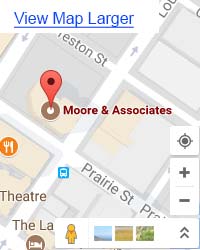
Moore & Associates represents Texas employees in workplace rights matters and understands that reporting harassment can put a worker in a difficult position. A focused employment law firm should give you a direct assessment, protect your dignity, and fight for accountability when an employer has crossed the line.
You do not need a perfect review score to find the right advocate. You need a firm that listens carefully, knows employment law, explains the road ahead, and is ready to act when your workplace has become a source of harm instead of a place to earn a living.