Many Houston employees see an automatic 30-minute lunch deduction on every timecard, even on days when they answered calls, helped customers, monitored a work phone, or returned to their duties before the meal period ended. If that sounds familiar, you may wonder whether the deducted time should have been paid—and whether it pushed your weekly hours into overtime. Texas unpaid break time rules can help explain the basic distinction. Moore & Associates provides information about wage-and-hour concerns and can evaluate how the facts may apply.
For employees researching a Houston automatic meal deduction overtime lawyer, the central issue is usually not the label “lunch” on a schedule or pay stub. It is whether you were genuinely relieved from work. This article explains when an employer may generally deduct an unpaid meal period, how interrupted breaks can become compensable work time, why the issue matters for overtime, and what Houston workers may want to preserve before seeking legal guidance.
When Automatic Meal Deductions in Houston May Be Unpaid Overtime
Federal wage-and-hour principles generally allow an employer to exclude a bona fide meal period from paid time when the employee has enough time to eat and is completely relieved from duty. A typical meal period is not the same as a short rest break. Short breaks offered during the workday are generally treated differently from a meal period under federal standards. Texas does not generally require private employers to provide meal breaks, but when an employer provides and deducts one, the time still must be handled consistently with applicable wage rules.
What a genuine meal period usually requires
A break is more likely to qualify as unpaid when the employee can use the entire period for personal purposes without meaningful work obligations. Depending on the job, that may mean leaving the workstation, turning off a work phone, being free from customer duties, and not having to respond to workplace messages. A break can be interrupted even if the employee is not continuously working for the entire 30 minutes.
By contrast, a healthcare employee who must watch for patient needs, a hotel employee who must respond to the front desk, or a security officer who must monitor an assigned area may not be fully relieved from duty. The precise facts matter. A written policy is relevant, but it does not necessarily resolve what happened in practice.
How Working Through Lunch Can Affect a Houston Overtime Claim
An automatic deduction can become a wage concern when the timecard removes meal periods that employees actually worked. Examples may include:
- A nurse or other healthcare worker eating at a station while remaining responsible for patients or responding to calls.
- A hospitality worker answering guest requests, handling check-ins, or monitoring a service area during a scheduled lunch.
- A retail employee assisting shoppers, watching a register, or responding to a supervisor while off the clock.
- A security employee remaining on post and expected to react to alarms, visitors, or communications.
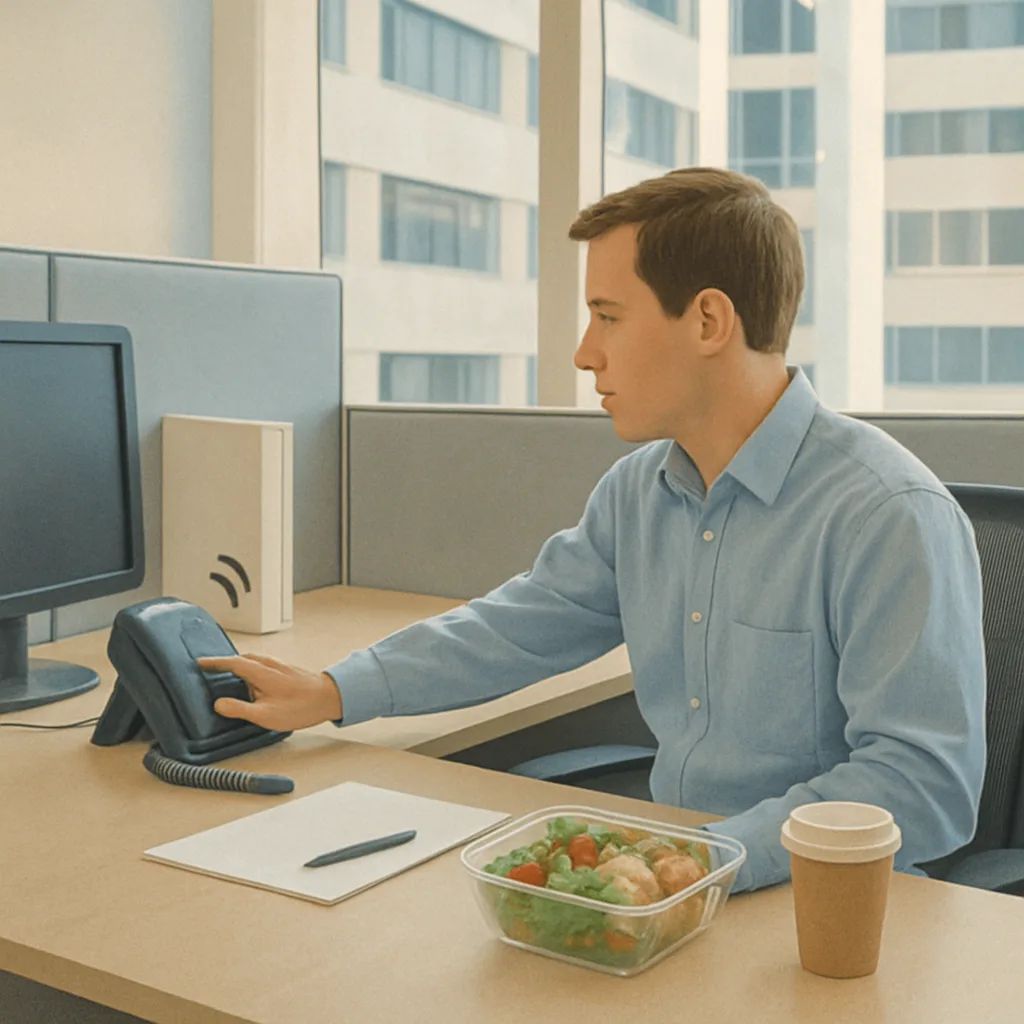
- An office employee monitoring a work phone, replying to urgent messages, or completing required tasks during a deducted meal period.
The key question is whether the employee performed work or remained subject to significant work duties during time the employer treated as unpaid. For more examples involving time before clock-in, after clock-out, and during a deducted lunch, review Houston off-the-clock work and unpaid overtime.
Why the 40-hour threshold matters
For many nonexempt employees covered by the Fair Labor Standards Act, hours worked over 40 in a fixed workweek may qualify for overtime compensation. An automatically deducted 30-minute meal period can make a difference when repeated across several shifts. For example, if an employee works through four deducted lunches in one week, the corrected total may add two hours to the recorded hours. Whether those hours create overtime depends on the employee’s complete workweek, pay rate, classification, and other facts.
Texas employees may also encounter state wage-claim procedures through the Texas Workforce Commission, while federal rights may involve the U.S. Department of Labor or a private claim. The available process and deadlines can depend on the claim and facts, so Houston workers may benefit from jurisdiction-specific legal guidance rather than assuming every automatic deduction is unlawful.
Records, Back Pay, and Common Mistakes After a Meal Break Deduction
Repeated automatic deductions can be difficult to evaluate from a single pay stub. A useful review may compare schedules, time records, payroll statements, staffing levels, messages, and the employer’s written meal-break policy. Personal notes made near the time of each shift may also help identify dates when a worker could not take an uninterrupted break. Records should be kept lawfully and should not include confidential patient, customer, or proprietary information unnecessarily.
Estimating the effect of deducted meal periods
An employee can generally begin by listing each deducted meal period that was partly or fully worked, converting the minutes into hours, and adding those hours to the recorded weekly total. The corrected total can then be compared with the overtime threshold and the employee’s regular rate under the applicable rules. This is only an initial estimate; commissions, bonuses, multiple pay rates, exemptions, and payroll practices can complicate the calculation. See how to calculate unpaid wages in Houston for related considerations.
Employees sometimes make avoidable mistakes, such as waiting months to record interrupted breaks, relying only on memory, deleting messages, or assuming that a supervisor’s instruction is irrelevant because the employee was technically off the clock. Other warning signs may include pressure to confirm that a full lunch was taken, a rule that automatically removes time regardless of what occurred, or a pattern of unpaid work that extends beyond meal periods. These facts may be among the warning signs of wage theft in Texas, although the legal characterization depends on the evidence and applicable law.
If an employer refuses to correct a disputed deduction, workers may want to preserve pay records and obtain advice about available options. The process for filing a Houston unpaid wages claim can provide general background, but a lawyer’s evaluation may be needed to assess deadlines, coverage, and the best forum.
Frequently Asked Questions
Can my employer deduct 30 minutes automatically if I choose to work during lunch?
Generally, an employer may not treat time as an unpaid meal period if it knows or has reason to know that the employee is performing work. The analysis can change if the employee voluntarily works without authorization, but employers still have responsibilities to maintain accurate records and pay for work they permit or accept. Whether the deduction is lawful depends on what work occurred, what supervisors knew, and the applicable federal and Texas rules.
Does Texas law require employers to provide lunch breaks?
Texas generally does not require private employers to provide meal breaks to adult employees. However, an employer that offers a meal period and deducts it from paid time generally must provide a real break in which the employee is relieved from duty. Federal law may also affect how short breaks and meal periods are treated. Special rules can apply to particular industries or workers, so the job’s facts and legal coverage matter.
Can staying at my workstation make a meal break compensable?
Remaining at a workstation does not automatically decide the issue. The more important question is whether the employee was free from work responsibilities. A worker who stays at a desk but is fully relieved may have a different situation from one who must answer phones, monitor customers, respond to messages, or resume duties immediately. Evidence about actual expectations and interruptions can be important when evaluating a potential claim.
Is a meal-break claim also an overtime claim?
It can be, but not every unpaid meal-period dispute creates overtime. If restored meal time raises a covered, nonexempt employee’s total above 40 hours in a workweek, the additional hours may affect overtime compensation. If the corrected total remains below that threshold, the time may still be unpaid straight-time work. Classification, pay structure, and other facts can affect the analysis.
How Moore & Associates Can Help
Moore & Associates is dedicated to helping Houston workers understand concerns involving unpaid breaks, automatic deductions, and overtime. The firm can review time records, pay statements, schedules, workplace messages, and the practical conditions surrounding a meal period. That review may help identify questions about coverage, recordkeeping, deadlines, and potential avenues for pursuing unpaid wages.
If you were expected to work, remain available, or monitor operations during an automatically deducted lunch, contact Moore & Associates for a free consultation or case evaluation. The firm is committed to fighting for employees’ rights while providing guidance tailored to the facts and applicable law.
Disclaimer: The information in this article is for educational purposes only and does not constitute legal advice. Contact a qualified attorney licensed in Houston, TX; Texas for advice specific to your situation.