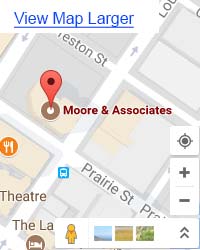

A worker in Odessa may discover an arbitration clause only after a workplace concern becomes a formal dispute. The clause may appear in an offer letter, a separate employment agreement, or a policy incorporated by reference. A sexual harassment arbitration agreement in Texas does not automatically answer whether a particular claim must be heard in court or in arbitration. Moore & Associates helps workers understand the questions to examine before drawing that conclusion. This article explains how the agreement’s wording, the type and timing of the alleged conduct, and federal protections may affect the forum. It also covers what to preserve and why a decision about arbitration does not decide whether a harassment claim is valid.
How a Texas sexual harassment arbitration agreement may work
An arbitration clause generally sets out a process for resolving certain disputes outside a courtroom. It may require an employee and employer to use a private arbitrator, and may describe how the arbitrator is selected, which claims are covered, and how costs are handled. The complete agreement matters: a clause may refer to other policies or documents, and later updates may affect its terms.
In many employment disputes, federal law can support enforcement of arbitration agreements. But that general principle does not answer every question about a sexual harassment dispute. A clause’s scope, formation, and enforceability may be contested, and a separate federal protection may apply to qualifying claims. For a broader overview of Texas employment disputes involving forced arbitration, see how arbitration can change the forum and procedure without resolving the underlying facts.
For an Odessa worker, it is useful to distinguish three questions: Does an agreement exist and cover the dispute? Does a legal rule limit enforcement of the clause for this claim? And, separately, can the claim be proven under the law that applies? A “yes” or “no” to one question does not settle the others. The clause’s wording and the circumstances surrounding the dispute can matter.
When federal law may let a worker elect court
The federal Ending Forced Arbitration of Sexual Assault and Sexual Harassment Act creates a specific election for certain disputes. In general, a person alleging conduct constituting sexual harassment may elect not to enforce a predispute arbitration agreement or joint-action waiver with respect to a qualifying sexual harassment dispute. The law also assigns the court—not an arbitrator—the role of deciding whether the federal law applies, even if the agreement appears to delegate that issue.
Timing is important. The federal protection applies to disputes or claims that arise or accrue on or after March 3, 2022. Determining when a dispute arose can be fact-dependent, especially if the alleged conduct spans different periods or a case includes multiple claims. The nature of the allegations and the relationship between claims may matter too. The law does not itself establish that harassment occurred or guarantee a particular court result.
The election is also distinct from whether every issue connected to a workplace dispute belongs in court. A case may include claims beyond sexual harassment, and the clause may address those claims differently. A court may need to consider the specific relationship between them and the applicable law. In Texas, a worker may also have separate administrative steps involving the Equal Employment Opportunity Commission (EEOC) or the Texas Workforce Commission Civil Rights Division. An agency charge and a decision about arbitration are related but separate matters, with procedures and deadlines that can vary.
What Odessa workers should review and preserve
Before assuming that a court case is barred—or that an arbitration clause cannot apply—it can help to understand the complete set of documents and the timeline. Depending on the circumstances, relevant materials may include:
- The signed agreement, including every page, attachment, and amendment.
- Handbook provisions, workplace policies, or other documents the agreement incorporates.
- Messages, notes, or records concerning the alleged conduct and any report made about it.
- Communications about an investigation, changes to work, or other events after a report.
Preserving these items can help a lawyer assess the clause and the dispute without assuming that any one document decides the forum. This discussion of ways employees can challenge an arbitration agreement addresses general agreement issues, which are different from making the federal election for a qualifying harassment dispute. For practical background on steps Texas workers can take to protect a workplace harassment claim, documentation can be important even though it does not, by itself, determine where a claim will be heard.
Retaliation allegations may require separate analysis. If a worker reports harassment and later experiences an adverse work action, the retaliation claim’s relationship to the harassment dispute and the agreement’s language may affect how each issue is handled. It should not be assumed that every related claim automatically follows the same path. How Odessa workers can assess records after a workplace retaliation is a related resource. In Odessa, TX, the details of the agreement, the claims, and the relevant timelines all matter; laws and procedures may vary and can change.
Frequently Asked Questions
Does signing an arbitration clause mean I cannot file a sexual harassment lawsuit?
Not necessarily. A signed clause may affect how some employment disputes are handled, but federal law allows an election not to enforce certain predispute arbitration agreements for qualifying sexual harassment disputes. The timing and facts can matter, and other claims in the same case may raise separate questions. A lawyer can review the complete agreement and circumstances before anyone concludes that court is unavailable.
Does the federal protection apply to harassment that happened before March 3, 2022?
The federal law generally applies to disputes or claims that arise or accrue on or after March 3, 2022. When a dispute arose may not be obvious, particularly where alleged conduct occurred over time or a case includes different events. The date alone may not resolve every issue. A case-specific review can help assess how the timing rule relates to the allegations and agreement.
Can an arbitration clause affect a retaliation claim too?
It may, but the answer depends on the agreement’s scope, the legal basis for the retaliation claim, and how that claim relates to the harassment dispute. The federal election for a qualifying sexual harassment dispute does not automatically answer the forum for every connected claim. In Texas, the claims and relevant documents should be considered separately rather than assuming they all follow one procedure.
Is an EEOC charge the same as going to arbitration or filing in court?
No. An EEOC charge is an administrative process, while arbitration and court are different ways a dispute may be adjudicated. The procedures can interact, but an agency filing does not by itself decide whether an arbitration clause applies or whether a person may make the federal election. Deadlines and requirements depend on the claim and circumstances, so local legal advice can be useful.
How Moore & Associates Can Help
Moore & Associates is dedicated to helping workers understand the employment documents and legal issues that may affect a workplace harassment dispute. The firm can review the agreement’s wording, incorporated policies, the timing and nature of the allegations, and any related claims, while explaining how those issues may interact with federal and Texas procedures. No document alone guarantees a particular result, and a forum question is separate from whether a claim succeeds. For Odessa sexual harassment legal guidance, contact Moore & Associates to request a free consultation or case evaluation.
The information in this article is for educational purposes only and does not constitute legal advice. Contact a qualified attorney authorized to practice in the jurisdiction that applies to your matter for advice specific to your situation.