
You do not need to guess whether what happened at work was “bad management” or illegal discrimination. If your race affected how you were hired, paid, disciplined, promoted, harassed, or fired, a racial discrimination at work lawyer can help you sort out the facts quickly and take action before evidence disappears.
For many workers, racial discrimination is not one dramatic event. It shows up in patterns. A supervisor ignores complaints from Black employees but acts immediately when white employees speak up. A Latino worker gets the worst assignments, fewer hours, and harsher discipline for the same conduct. An Asian employee is passed over for promotion while less qualified coworkers move up. Sometimes it is blunt. Sometimes it is dressed up as “fit,” “attitude,” or “culture.” Either way, if race is driving workplace decisions, the employer may be violating the law.
What a racial discrimination at work lawyer actually does
A lot of people wait too long to call because they think a lawyer only gets involved after a termination. That is not always true. An employment lawyer can step in when discrimination is ongoing, when retaliation starts after a complaint, or when an employer is trying to pressure you out before you have a chance to protect yourself.
A strong lawyer does more than listen to your story. The job is to test the evidence, identify the legal claims, preserve records, and put pressure on the employer in the right way. That may mean reviewing emails, texts, write-ups, schedules, pay records, internal complaints, witness accounts, and performance reviews. It may also mean spotting retaliation, which often follows quickly after an employee speaks up.
In Texas, timing matters. Employment claims can involve short deadlines and agency filing requirements before a lawsuit is filed. Waiting because you hope the company will “do the right thing” can cost you leverage. It can also cost you the claim.
Common signs of racial discrimination at work
Some workers hesitate because no one used an obvious racial slur. But unlawful discrimination does not require a smoking gun. Employers often act through coded language, selective discipline, and unequal treatment that looks small in isolation but serious when viewed as a whole.
A racial discrimination at work lawyer will often look for patterns like unequal pay, denial of promotions, job assignments based on race, biased performance reviews, exclusion from meetings or opportunities, race-based comments, and discipline that does not match how others are treated. Sudden write-ups after years of solid performance can matter too, especially if they begin after a complaint.
Harassment is another major issue. Repeated jokes, insults, stereotypes, mockery of accents, offensive comments about appearance, or racially hostile conduct can create an unlawful work environment. The law does not punish every rude comment, and that distinction matters. But when race-based behavior becomes severe or persistent enough to affect the conditions of employment, the employer can face liability.
There is also the question of retaliation. If you reported discrimination and then lost hours, got transferred, got written up, or got fired, that is a separate problem. Many employers are more careful about what they say regarding race than how they retaliate after a complaint. That is one reason documentation matters.
What to do before you speak with a lawyer
You do not need a perfect file to ask for help, but the more concrete information you have, the better. Start by writing down what happened, who was involved, when it happened, and whether anyone witnessed it. Save emails, texts, schedules, pay stubs, disciplinary notices, employee handbooks, and performance reviews. If your employer uses messaging apps for work, preserve those communications too if you can do so lawfully.
Keep your notes factual. Dates, statements, changes in treatment, and names of comparators are more useful than general conclusions. For example, “I was suspended for being five minutes late on March 3, but John was late repeatedly and not disciplined” is stronger than “my boss treats me unfairly.”
If your company has a complaint procedure, it may be worth using it, but this is where facts matter. Internal complaints can help create a record. They can also trigger retaliation. It depends on the workplace, the urgency of the situation, and what proof already exists. Before making a report, many employees benefit from speaking with counsel so they can avoid mistakes and protect themselves.
When your employer says it was about performance
Most discrimination cases do not come with an admission. Employers usually say the decision was based on attendance, performance, restructuring, or policy violations. Sometimes that defense is legitimate. Sometimes it is a cover.
The legal question is not whether the employer can point to some reason. It is whether that reason is true and applied fairly, or whether race was a motivating factor behind the decision. That is where comparison evidence becomes powerful. If workers of another race engaged in similar conduct but were treated better, the employer’s explanation may start to fall apart.
Past reviews also matter. If an employee suddenly goes from strong evaluations to a paper trail of criticism right after reporting discrimination or after a new manager arrives and starts targeting one racial group, that timing can be important. Cases are often won or lost on details like consistency, timing, and documents, not just outrage.
Why fast action matters in Texas
Employees are often told to be patient, stay quiet, and not make things worse. That advice usually helps the employer, not the worker. The longer discrimination continues, the more likely records disappear, witnesses get nervous, and the company’s version of events hardens.
Fast action does not always mean filing a lawsuit tomorrow. It means getting a clear legal assessment early. A lawyer can tell you whether you may need to file a charge, what deadlines may apply, whether retaliation is already happening, and what evidence should be preserved now. That kind of early strategy can make a real difference.
Workers looking for Texas-specific legal resources often search here: https://employment-law.usattorneys.com/texas/. Still, general information is not the same as advice tailored to your facts. The right next step is usually a direct case evaluation.
What compensation may be available
Every case is different, and no honest lawyer should promise a result before investigating. But workers harmed by racial discrimination may be able to pursue lost wages, lost benefits, emotional distress damages, and in some cases other forms of relief tied to the employer’s conduct. If the discrimination led to termination or blocked advancement, the financial damage can be serious.
Sometimes the goal is not only compensation. It may be accountability, a negotiated exit, a correction of the employment record, or pressure on the employer to stop illegal conduct. Strategy depends on the strength of the evidence, whether the employee is still working there, and how much risk the employer is facing.
Choosing the right racial discrimination at work lawyer
Not every lawyer who handles employment matters is built for these cases. You want someone who represents employees, understands how discrimination and retaliation claims are actually proven, and is ready to confront an employer that already has HR and defense counsel working to protect the company.
That is especially important for Texas workers who feel outmatched. A good lawyer should be able to explain the law in plain English, identify the pressure points in your case, and give you a realistic view of options. Tough advocacy matters, but so does honesty. Some cases should move aggressively. Others need more documentation first. A serious lawyer will tell you the difference.
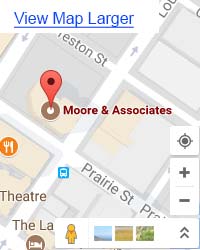
At Moore & Associates, the focus is on standing up for employees who have been mistreated and forcing employers to answer for it. If race played a role in what happened to you at work, waiting rarely makes the situation better.
If your workplace has turned hostile, your paycheck has taken a hit, or your job is suddenly on the line after race-based treatment, trust your instincts and get the facts reviewed. You do not have to keep absorbing unfair treatment just to hold onto a job. Take action while your options are still strong.