
When a 14-hour day turns into a 98-hour week and your paycheck still shows the same flat day rate, something is wrong. An oilfield overtime pay lawyer can help Texas workers figure out whether they have been denied wages they legally earned and what it takes to recover that money.
Oilfield employers do not get a free pass on overtime just because the work is demanding, remote, or tied to the energy industry. A lot of workers are told they are not entitled to overtime because they are paid a salary, a day rate, or because their job title sounds managerial. Those labels do not control the law. What matters is what you actually do, how you are paid, and whether your employer can legally classify you as exempt.
Why oilfield overtime cases happen so often
Oilfield work is built around long shifts, unpredictable schedules, and intense production demands. That creates real overtime exposure for employers. Instead of paying time-and-a-half after 40 hours in a workweek, some companies use pay systems that cut corners. They may pay a flat daily amount no matter how many hours you worked, call you an independent contractor when you function like an employee, or give you a supervisor title without giving you the real authority that title implies.
For workers, the result is simple. You put in the hours and do the hard work, but the paycheck does not match the law. That gap can add up fast, especially in oilfield jobs where 60, 70, or even 80-hour weeks are common.
What an oilfield overtime pay lawyer looks at
An oilfield overtime pay lawyer starts with the facts, not the company line. Employers often act like overtime cases are obvious, but these claims usually turn on details.
How you were paid
A day rate, salary, or commission-based system does not automatically eliminate overtime rights. Many oilfield workers are paid a fixed amount for each day worked, even when those days stretch deep into overtime territory. In some situations, that pay method may still require overtime premiums. The answer depends on how the compensation is structured and whether the employer followed federal wage law.
What your job really involved
Job titles can be misleading. A “company man,” “field supervisor,” “consultant,” or “lead” may still be entitled to overtime if the actual day-to-day work is manual, technical, or closely directed by others. Employers often rely on titles to discourage questions, but the law focuses on real duties, not impressive labels.
Whether you were misclassified
Misclassification is a major issue in the oilfield. Some workers are labeled independent contractors even though the company controls the schedule, assigns the work, provides direction, and treats them like part of the operation. Others are classified as exempt employees when they do not meet the legal standards for exemption. If the classification is wrong, the unpaid overtime can be substantial.
Common overtime issues in the Texas oilfield
No two claims are identical, but certain patterns show up again and again. Workers may be denied overtime because they are paid a day rate only. They may be told bonuses or extra incentives cover overtime when they do not. Some are paid only for scheduled shift hours while pre-shift duties, travel between sites, safety meetings, or required paperwork go unpaid.
There are also cases where a worker is technically paid overtime, but the rate is calculated incorrectly. That matters. If your regular rate should have included certain bonuses or compensation, the overtime rate may have been shorted every week.
These cases are rarely about one bad paycheck. They are often about a pay practice that affected an entire stretch of employment.
Oilfield overtime pay lawyer claims often depend on exemptions
Employers defending unpaid overtime claims often argue that the worker falls under an exemption. That can include executive, administrative, professional, or highly compensated employee exemptions. But exemptions are narrower than many companies admit.
A title alone is not enough
Calling someone a supervisor does not make them exempt. If you spent most of your time doing the same physical or operational work as the crew, had little real hiring or firing authority, and followed detailed instructions, your employer may have overstated your role.
High pay does not always defeat a claim
Some oilfield workers assume they cannot pursue overtime because they earned good money overall. That is not how the law works. A worker can be well paid and still be unlawfully denied overtime. The issue is not whether your check looked decent at first glance. The issue is whether you were paid what the law required for the hours you worked.
Day-rate cases can be strong
Day-rate pay is common in the oilfield, and it is a frequent source of litigation. In some cases, employers must do more than pay a flat amount per day to satisfy overtime rules. A careful legal review can determine whether the pay plan passed muster or whether the worker has a claim for back pay.
What to do if you think you are owed overtime
Start by paying attention to patterns. If you regularly worked more than 40 hours and never saw time-and-a-half, that is a red flag. If your company brushed off questions by saying “that is just how oilfield pay works,” that is another one.
Save what you can. Pay stubs, schedules, text messages, job descriptions, direct deposit records, time sheets, and personal notes about hours worked can all help. Do not assume you need perfect records before speaking with a lawyer. In many wage cases, the employer is supposed to maintain accurate time records. If they failed to do that, it does not necessarily save them.
It is also smart to act quickly. Wage claims are subject to legal time limits. Waiting too long can reduce the amount you may be able to recover.
Why timing matters in oilfield overtime cases
Every pay period that passes can affect the value of your claim. In some cases, workers may recover unpaid overtime for a defined lookback period, and delay can shrink what remains available. Just as important, evidence gets harder to track down over time. Supervisors leave, phones get replaced, and payroll systems change.
That does not mean you should panic. It does mean you should not sit on a strong claim while your employer keeps the money.
What an oilfield overtime pay lawyer can do for you
A serious wage lawyer does more than answer whether overtime may be owed. They can analyze the pay structure, examine exemptions, calculate damages, deal with the employer or its lawyers, and take action to pursue recovery. That matters because companies often become much less confident in their position once they are forced to defend the way they actually paid workers.
The right approach also depends on the facts. Sometimes the issue is an individual claim. Sometimes the same unlawful pay practice affected a group of workers in the same role. That difference can shape strategy, timelines, and potential recovery.
If you want more information about Texas employment law issues, you can also review https://employment-law.usattorneys.com/texas/.
When to call a Texas oilfield overtime pay lawyer
If your overtime has been denied, your title does not match your real duties, or you are being paid a flat day rate for brutal hours, now is the time to ask questions. You do not need to wait until you quit. You do not need to be certain your employer broke the law before reaching out. You just need a reason to think your pay has not been handled fairly.
That is especially true if your employer has responded with pressure, excuses, or retaliation after you raised concerns. Workers should not be intimidated into giving up earned wages.
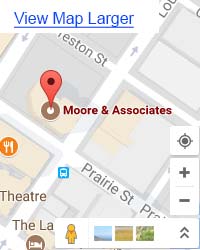
At Moore & Associates, the focus is on standing up for employees, not protecting companies that cut corners. If you are an oilfield worker in Texas and your paycheck does not reflect the hours you gave, take that seriously. The law may give you a path to recover what you earned, and the first step is finding out where you stand before more time slips away.