
If your employer shorted your paycheck, denied overtime, fired you after a complaint, or made work unbearable through harassment or discrimination, you are not overreacting. Houston employment lawyers help workers push back when employers break the law, and in many cases, the sooner you act, the stronger your claim can be.
A lot of employees wait too long because they assume nothing can be done. They think the company has more money, more power, and more lawyers. That fear is real, but it is also exactly why employment law exists. Texas workers have rights, and when an employer violates them, legal action can force accountability and recover lost wages, damages, and other relief.
What Houston employment lawyers actually do
Employment law is not one problem. It covers a range of workplace violations, and each type of claim has its own rules, deadlines, and evidence issues. A lawyer who focuses on employee-side cases looks at what happened, identifies which laws may apply, and builds a strategy around recovery.
Sometimes the issue is straightforward. An hourly worker puts in 55 hours and only gets paid for 40. A server is forced into an illegal tip pool. An oilfield worker is paid a day rate but should have received overtime. In other cases, the problem is more layered. An employee reports sexual harassment, gets written up a week later, and is then fired for a made-up reason. That may involve harassment, retaliation, and wrongful termination issues at the same time.
The right lawyer does more than explain the law. They gather payroll records, texts, schedules, handbooks, complaints, witness statements, and termination documents. They deal with the employer and defense counsel. They evaluate whether the case belongs in court, arbitration, or an agency process. Most important, they put pressure where it counts.
Common workplace claims in Houston
Wage theft is one of the most common reasons workers contact Houston employment lawyers. That includes unpaid wages, unpaid overtime, minimum wage violations, off-the-clock work, paycheck deductions, and misclassification. Employers often count on workers not knowing the rules. They may call someone a contractor when that person is really an employee. They may pay salary and claim that wipes out overtime rights, even when the law says otherwise.
Oilfield and industrial workers face this problem often. A day-rate system may sound simple, but it does not automatically erase overtime obligations. If you work long hours and your employer refuses to pay time-and-a-half when the law requires it, that is not a minor payroll issue. It can add up to serious lost income.
Discrimination claims are also common. Federal and state laws may protect workers from discrimination based on race, sex, pregnancy, national origin, religion, disability, age, and other protected categories. Not every unfair decision is illegal discrimination, and that distinction matters. But if an employer treats you differently because of a protected characteristic, or creates a pattern of unequal discipline, pay, promotion, or termination, that deserves a close legal review.
Sexual harassment remains a major problem across industries. Some employers ignore complaints. Others protect supervisors or top performers at the expense of the victim. Harassment does not have to involve a physical assault to be unlawful. Repeated sexual comments, pressure, touching, texts, threats, or a hostile work environment can all support a claim depending on the facts.
Retaliation is another issue workers should take seriously. If you complained about unpaid wages, discrimination, harassment, safety concerns, leave violations, or other unlawful conduct, your employer cannot legally punish you for it in many situations. Retaliation can look like termination, but it can also show up as reduced hours, sudden write-ups, demotion, reassignment, or pressure designed to make you quit.
When you should talk to a lawyer
You do not need to wait until you are fired to get legal help. In many cases, that is a mistake.
If your employer has started changing your schedule after a complaint, refusing to pay all hours worked, asking you to work off the clock, pressuring you to sign documents you do not understand, or targeting you after protected leave, that is the time to speak with counsel. Early advice can help you avoid common traps, including angry emails, social media posts, or signing away rights for little or no value.
Severance is a good example. Many employees think severance is automatic or non-negotiable. It is not. Some workers are offered an agreement that gives the employer broad protection while offering very little in return. Others are told they must sign immediately. Before you sign anything, it makes sense to have it reviewed.
Timing matters for another reason: evidence disappears. Text messages get deleted. Payroll systems change. Witnesses leave. Memory fades. Employment claims often depend on a timeline, and the sooner that timeline is documented, the better.
What makes a strong employment case
A strong case does not require perfect evidence, but it does require proof. Your word matters, but documents often decide whether a claim gains traction. Pay stubs, time records, schedules, complaint emails, HR reports, offer letters, handbooks, discipline notices, and coworker communications can all be important.
Context matters too. For example, if you complained about harassment on Monday and got your first negative review on Friday after years of solid performance, that timing may support a retaliation claim. If a company calls a whole group of workers independent contractors but controls their schedule, duties, and pay structure like employees, that may support a misclassification claim.
There are also trade-offs in every case. Some claims are easier to prove but may involve smaller damages. Others have stronger damages but more disputed facts. A good lawyer will tell you both the strengths and the weaknesses. That matters because false confidence helps no one. Workers need clear advice, not sales talk.
Why experience in employee-side law matters
Not every lawyer who handles employment law is focused on helping employees. Some represent companies. Some take a little bit of everything. That can make a real difference.
Employee-side employment cases require a specific approach. Employers usually control the records, know the workplace policies, and often move fast to protect themselves once a complaint surfaces. A lawyer who regularly fights for workers knows the defenses employers use and how to challenge them. They also know that many cases are won by details the worker almost dismissed as unimportant.
That is especially true in wage and overtime disputes. Employers often rely on technical arguments about exemptions, job duties, timekeeping, or whether work was “authorized.” Those arguments can sound intimidating, but they are not always right. A focused employment lawyer knows how to test them against the actual facts.
What to do if you think your rights were violated
Start preserving evidence now. Keep copies of pay records, schedules, emails, texts, write-ups, and anything that helps show what happened. Write down dates, names, and specific events while they are fresh. If there were witnesses, note who they are.
Be careful about using company devices or accounts for anything personal. If you still work there, assume your employer may monitor its own systems. Do not take privileged or confidential company material you are not entitled to possess, but do preserve your own pay and employment records where lawful.
Do not assume HR will fix it. Sometimes HR does the right thing. Sometimes HR protects the company first. Reporting internally can still matter in some claims, but it should be done carefully and with an eye toward creating a clear record.
Most of all, do not let intimidation stop you from getting answers. Many workers stay silent because they need the job, fear retaliation, or think they cannot afford a case. That is exactly why contingency-based representation matters. If a firm handles cases on a no recovery, no fee basis, workers can pursue justice without taking on upfront legal bills.
Choosing among Houston employment lawyers
If you are comparing lawyers, look past slogans. Ask whether the firm represents employees, not employers. Ask whether it handles wage claims, overtime cases, discrimination, harassment, retaliation, and severance matters as a core part of its practice. Ask whether it is prepared to litigate, not just negotiate.
You should also pay attention to how the firm talks to you. A strong employment lawyer should be direct, honest, and ready to explain your options in plain language. You do not need legal jargon. You need a real assessment of what happened, what laws may apply, what evidence matters, and what the next move should be.
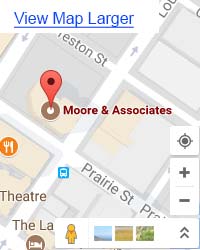
For workers in Houston and across Texas, firms like Moore & Associates build their practice around one mission: standing up for employees when employers cross the line. If your paycheck was stolen, your rights were ignored, or your job was put at risk because you spoke up, the most important step is not waiting for things to get better on their own. Take action while the facts are still fresh and your leverage is strongest.