
Getting cheated at work rarely starts with one huge event. More often, it starts with a paycheck that looks short, hours that disappear, a manager who says overtime is “included,” or retaliation after you speak up. If that is happening, a Midland Employment Lawyer can help you figure out whether your employer crossed the line and what you can do about it.
Workers in Midland face real pressure. Oilfield schedules can be brutal. Service workers can lose tips to illegal pay practices. Office employees can be pushed out after reporting harassment or asking for protected leave. Many people know something feels wrong, but they are not sure whether it is illegal. That uncertainty is exactly where employers gain leverage. The longer you wait, the easier it becomes for a company to deny what happened, shift blame, or bury records.
A good employment case is not about being difficult. It is about enforcing rights that already exist under state and federal law. When an employer withholds wages, refuses overtime, tolerates discrimination, or punishes an employee for reporting misconduct, that is not just unfair. It may be actionable.
When to call a Midland Employment Lawyer
You do not need to wait until you are fired to speak with a lawyer. In many cases, the smartest time to get legal advice is while the problem is still developing. Early action can protect evidence, clarify your rights, and keep an employer from controlling the story.
Workers often benefit from legal help when they are dealing with unpaid overtime, off-the-clock work, minimum wage violations, tip pool abuses, discrimination, sexual harassment, retaliation, wrongful termination, severance disputes, or denied leave. These problems can overlap. Someone who complains about unpaid wages may suddenly get written up. A worker who reports harassment may be cut out of shifts. An employee who requests medical leave may come back to reduced hours or a different role.
That overlap matters because employers rarely admit the real reason for what they did. They may say your performance dropped, the business changed, or the policy applied to everyone. A lawyer looks past the excuse and focuses on timing, records, witness statements, payroll data, and patterns inside the workplace.
Wage and overtime claims are common in Midland
Midland workers, especially in oilfield and labor-heavy industries, are often told they are exempt from overtime when they are not. Job titles do not decide whether overtime is owed. Being paid a salary does not automatically erase the right to overtime either. What matters is the actual job duties and how the employer pays and controls the work.
This is where many companies get aggressive. They may classify workers as independent contractors, pay a day rate, or use a flat salary while still demanding long hours. In some cases, they shave time from records, fail to count travel between job sites, or expect employees to handle work tasks before clocking in and after clocking out. Those extra hours add up fast.
For hourly workers, even small shortages can become serious over time. Missing 30 minutes here and there, unpaid meal breaks that were never real breaks, or required pre-shift tasks can lead to substantial wage recovery. For oilfield workers, long rotations and day-rate systems can create even larger unpaid overtime claims.
A Midland employment lawyer should know how to examine time records, pay stubs, schedules, text messages, and company policies to see whether pay practices were lawful or designed to cut labor costs at the employee’s expense.
Discrimination and harassment are not just HR problems
Many employees are pushed to “work it out internally” when they report discrimination or sexual harassment. Sometimes HR helps. Sometimes HR protects the company first. Workers need to understand that internal reporting is not always the same thing as real accountability.
Discrimination can involve race, sex, pregnancy, national origin, religion, disability, age, or other protected traits. It may show up in hiring, firing, promotions, discipline, scheduling, pay, or hostile treatment that makes it harder to do your job. Harassment can be obvious, but it can also be persistent enough that the workplace becomes intimidating, degrading, or unbearable.
Employers often defend these claims by acting like the behavior was isolated, misunderstood, or already resolved. That is why documentation matters. Emails, texts, complaints to supervisors, changes in treatment, witness names, and performance reviews can all help show what really happened.
If you reported harassment and then got demoted, excluded, or terminated, the case may not stop at harassment. It may also involve retaliation.
Retaliation is one of the biggest red flags
Retaliation happens when an employer punishes an employee for asserting a legal right. That can mean complaining about wage theft, reporting discrimination, participating in an investigation, requesting protected leave, or blowing the whistle on unlawful conduct.
The punishment is not always a firing. Employers may cut hours, reassign duties, change schedules, increase scrutiny, issue sudden write-ups, block promotions, or create pressure designed to make you quit. Companies do this because they know direct retaliation can look suspicious. So they often spread it out and hide it behind paperwork.
Timing can be a powerful piece of evidence. If your problems at work started right after you made a complaint or exercised a protected right, that sequence matters. It does not prove the whole case by itself, but it can help expose what the employer is trying to cover up.
What a strong employee-side lawyer actually does
A strong lawyer does more than tell you whether you have a case. They help you assess risk, preserve evidence, avoid common mistakes, and push back when an employer counts on fear or confusion.
That may include reviewing pay records, separation documents, disciplinary notices, severance agreements, internal complaints, or leave paperwork. It may also mean identifying whether multiple legal claims exist in the same situation. A wage claim can sit next to retaliation. A harassment complaint can lead to a wrongful termination claim. A denied leave issue can connect to disability discrimination.
This kind of focused analysis matters because employment law is technical. Deadlines can be short. The wrong move, like signing a severance agreement too quickly or relying only on verbal promises, can weaken your position.
For workers worried about cost, contingency representation can make legal help more accessible. When a firm works on a no recovery, no fee basis in qualifying cases, that shifts some of the financial burden off the employee and onto the case itself. For many workers, that is the difference between taking action and staying stuck.
How to protect your claim before you speak up or leave
If you think your employer is violating the law, do not assume the company will preserve the evidence for you. Save your own pay stubs, schedules, offer letters, handbooks, commissions records, tip records, performance reviews, and relevant messages. Write down dates, names, and what happened while it is still fresh.
Be careful about using company devices or accounts to gather information. You want to protect your claim, not give the employer a new accusation to use against you. A lawyer can help you understand the right way to preserve evidence without creating unnecessary risk.
If you are offered severance, do not rush. Employers often present severance agreements at the moment a worker feels most vulnerable. Those documents can include releases that waive valuable legal claims. More money is not always on the table, but sometimes it is. At a minimum, you should know what rights you may be signing away.
Choosing the right Midland Employment Lawyer
Not every attorney who handles civil cases is built for employment disputes. Workers need someone who represents employees, understands wage and hour law, knows retaliation tactics, and is ready to litigate when an employer refuses to do the right thing.
That focus matters in Midland because many cases involve industries and pay structures that are not simple. Oilfield overtime claims, day-rate disputes, tip violations, and mixed claims involving discrimination and retaliation require more than general legal knowledge. They require concentrated employment law experience and a willingness to challenge companies that expect workers to back down.
If you need help understanding your options in Texas, you can also review attorney resources here: https://employment-law.usattorneys.com/texas/
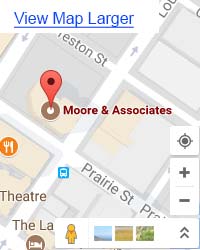
Moore & Associates represents employees across Texas in workplace rights cases and wage recovery matters. The goal is simple: hold employers accountable when they break the law and help workers pursue the pay, protection, and dignity they should have had in the first place.
If your pay has been short, your overtime ignored, your complaint punished, or your job threatened after speaking up, trust your instincts. Waiting usually helps the employer, not you. The right legal advice can turn a stressful situation into a clear plan for action.