Getting pushed to work off the clock, denied overtime, harassed on the job, or fired after speaking up is not just unfair – it may be illegal. If you are looking for an Employment lawyer Houston workers can turn to, you are probably not browsing out of curiosity. You need answers, and you may need action fast.
For many employees, the hardest part is not knowing whether what happened is serious enough to call a lawyer. Employers count on that hesitation. They count on workers staying quiet, second-guessing themselves, or assuming nothing can be done. That is exactly why early legal advice matters. In employment cases, delay can cost you wages, evidence, and leverage.
When to Call an Employment Lawyer in Houston
You do not need to wait until your situation becomes unbearable. In fact, calling earlier often puts you in a stronger position. If your employer is withholding pay, misclassifying you as exempt, forcing you to work through breaks, taking illegal deductions, or refusing to pay overtime, those are red flags. The same goes for discrimination, sexual harassment, retaliation, wrongful termination, leave violations, or pressure to sign a severance agreement without time to review it.
A lot of workers assume they only need a lawyer after they have been fired. That is not always true. If you are still employed and your company is continuing the same unlawful conduct week after week, a lawyer may be able to help you protect your job, document the violation, and pursue recovery before the damage gets worse.
Timing also matters because employment claims often have strict deadlines. Wage claims, discrimination claims, and retaliation cases do not all follow the same rules. Waiting too long can narrow your options.
Employment Lawyer Houston Cases Often Involve Wage Theft
In Houston, wage and hour violations are common across restaurants, retail, healthcare, construction, transportation, call centers, and oilfield work. Employees are often told they are salaried and therefore not entitled to overtime. That is not automatically true. Being paid a salary does not erase your right to overtime if your actual job duties do not meet the legal exemption.
Other workers are asked to clock out and keep working, finish paperwork at home, attend unpaid meetings, or use personal phones after hours without pay. Tipped employees may face illegal tip pool arrangements or have their tips used in ways the law does not allow. These practices can drain thousands of dollars from a worker over time.
An experienced employment lawyer looks at more than your pay stub. The real question is how the employer controls your time, what tasks you perform, how many hours you actually work, and whether your classification is lawful. Employers often label workers in ways that save the company money. A label is not the final word.
Houston Workers Should Take Retaliation Seriously
Retaliation is one of the most common reasons people call an employment lawyer. You complain about unpaid overtime, report harassment, request protected leave, or raise concerns about discrimination, and suddenly your hours are cut. Your supervisor starts writing you up. You are excluded from meetings, demoted, or fired.
That pattern matters.
The law may protect employees who engage in certain protected activity, but employers rarely admit they are retaliating. Instead, they may claim there was a performance issue, restructuring, or a policy violation. That is why documentation is critical. If the company treated you one way before you spoke up and another way after, a lawyer can examine whether the timing and facts support a retaliation claim.
Retaliation cases are rarely about one dramatic statement. More often, they are about a shift in treatment that reveals motive. The sooner you act, the easier it is to preserve emails, texts, write-ups, schedules, and witness accounts.
What an Employment Lawyer Will Want to See
You do not need a perfect file cabinet full of evidence before you ask for help. Still, any records you have can make a difference. Pay stubs, schedules, time records, offer letters, employee handbooks, text messages, emails, disciplinary notices, termination paperwork, and notes about what happened can all be useful.
If you are dealing with harassment or discrimination, write down dates, locations, witnesses, and exactly what was said or done. If your issue involves unpaid wages, keep track of hours worked, including time spent before clocking in or after clocking out. If you were asked to sign a severance agreement, do not assume you must accept it as written.
A strong case is not always built on one document. It is often built on patterns. Repeated short paychecks, repeated ignored complaints, repeated comments, repeated schedule manipulation – those details can tell a powerful story.
Not Every Bad Job Situation Is Illegal
This is where honest legal advice matters. Some workplace behavior is unethical, unfair, or disrespectful without clearly violating the law. A rude boss is not automatically breaking the law. A firing is not automatically wrongful just because it felt unjust. Texas employers often have broad discretion in at-will employment situations.
But there is a line. If the firing happened because you reported unpaid wages, rejected harassment, requested legally protected leave, opposed discrimination, or engaged in another protected activity, that changes the analysis. If the employer failed to pay minimum wage or overtime, that changes the analysis too.
A good lawyer will not tell every caller they have a winning case. What they should do is identify whether the facts point to a viable legal claim, what evidence is missing, and what path gives you the best chance of results.
Why Industry Experience Matters in Houston Employment Cases
Houston workers are not all dealing with the same kind of employer or the same type of violation. Oilfield overtime disputes look different from restaurant tip pool cases. A healthcare worker who is denied meal-break pay may face different proof issues than an office employee who was misclassified as exempt. Someone negotiating severance after raising internal complaints has different needs than an hourly worker whose paycheck keeps coming up short.
That is why specialization matters. Employment law is not a side practice. It is a field with overlapping state and federal rules, short deadlines, aggressive defense strategies, and fact-heavy disputes. The lawyer handling your case should understand how employers defend these claims and how to push back.
Workers in Houston also need a firm that is ready for litigation if the employer refuses to deal fairly. Some claims settle quickly. Others do not. Employers are more likely to take a case seriously when they know the lawyer on the other side is prepared to fight.
What to Expect From the Process
Most employees want to know two things right away: Do I have a case, and how much will it cost? The first answer depends on the facts. The second often matters just as much, because many workers cannot afford to pay a lawyer by the hour while dealing with lost wages or job uncertainty.
That is why contingency representation can be so important in employee-side cases. It lowers the barrier to getting help. Instead of paying large upfront legal fees, workers may be able to pursue a claim with far less financial pressure.
The process itself can vary. Some matters begin with a case evaluation and document review. Others may require filing an agency charge, a demand, or a lawsuit. There may be settlement talks, formal discovery, mediation, or trial preparation. What should stay constant is this: you deserve clear advice, straight answers, and a lawyer who treats your case like it matters.
If you want more general information about Texas employment law resources, you can review https://employment-law.usattorneys.com/texas/.
The Right Time to Act Is Usually Earlier Than You Think
Employees often wait because they are trying to keep the peace, protect their job, or avoid conflict. That instinct is understandable. But employers that cheat workers, ignore complaints, or retaliate against employees rarely correct themselves just because time passes.
If your pay is short, your overtime is missing, your leave rights were denied, or your employer punished you for speaking up, trust what your situation is telling you. A consultation can clarify whether you have a claim, what deadlines apply, and what steps protect your rights from this point forward.
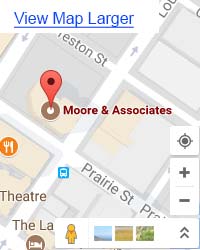
For workers in Houston, legal help is not about starting drama. It is about stopping misconduct, recovering what you earned, and making sure your employer does not get away with treating you as disposable. Firms like Moore & Associates build their practice around that fight, and for many employees, that first call is the moment they stop facing it alone.