
Getting fired can feel like the ground just dropped out from under you. But if you are searching for a wrongful termination lawyer Texas workers can turn to, the first thing to know is this: not every unfair firing is illegal, but many illegal firings are disguised as something else.
Employers rarely say, “We fired you because you complained about overtime,” or “We let you go because of your pregnancy, disability, or age.” More often, they point to “performance,” “attendance,” “restructuring,” or a sudden policy violation. That is why timing, documents, and legal strategy matter so much. If the real reason for your termination was retaliation, discrimination, protected leave, whistleblowing, or refusing unlawful conduct, you may have a strong claim.
What a wrongful termination lawyer in Texas actually looks for
Texas is an at-will employment state. That means an employer can usually fire an employee for a good reason, a bad reason, or no reason at all. But there are limits. An employer cannot fire someone for an illegal reason.
That distinction is where many workers get tripped up. Being treated badly is not always enough by itself. Being fired because you reported harassment, asked for unpaid wages, took protected medical leave, opposed discrimination, filed a workers’ compensation claim, or participated in a legal investigation can be enough. A skilled wrongful termination lawyer in Texas looks past the employer’s stated reason and examines what was really happening before the firing.
In real cases, patterns matter. Maybe you received solid reviews for years and then suddenly got written up after reporting wage theft. Maybe your hours were cut after you complained, then you were terminated weeks later. Maybe your employer claimed layoffs, but only older workers or pregnant employees were targeted. Those facts can change everything.
Illegal firing in Texas is often tied to retaliation
Retaliation is one of the most common issues in wrongful termination cases. A worker speaks up, refuses to stay quiet, or asks for rights protected by law, and the employer responds by pushing that worker out.
This can happen after reporting unpaid overtime, discrimination, sexual harassment, safety concerns, or leave violations. It can also happen after requesting an accommodation for a disability or participating in an internal complaint. Employers know direct retaliation can create legal exposure, so they often build a paper trail after the fact. That is why workers should take sudden discipline seriously, especially if it starts right after protected activity.
Timing alone does not prove a case, but timing can be powerful evidence. If your treatment changed right after you complained or asserted your rights, that deserves a hard look.
Common situations a wrongful termination lawyer Texas employees should call about
Wrongful termination cases take many forms. Some involve discrimination based on race, sex, national origin, religion, disability, age, or pregnancy. Others involve being fired for taking protected leave or for reporting unlawful conduct.
Wage and hour disputes also matter here. A worker who complains about unpaid wages, minimum wage violations, off-the-clock work, tip theft, or overtime violations may be protected from retaliation. That protection is critical for hourly workers, restaurant workers, and oilfield workers who are often pressured to stay quiet.
There are also cases involving workers’ compensation retaliation, whistleblower issues, and terminations tied to refusing illegal orders. If your employer fired you after you stood up for yourself or for what the law requires, you should not assume they get the last word.
Evidence can make or break your claim
A strong case is rarely built on one dramatic statement. More often, it is built on emails, texts, write-ups, schedules, pay records, witness accounts, handbooks, complaint history, and the timeline leading up to the termination.
If you still have access to lawful personal copies of relevant records, preserve them. Save termination letters, performance reviews, payroll records, disciplinary notices, and messages with supervisors or HR. Write down what happened while it is still fresh, including dates, names, and what was said. Small details that seem minor now can become major later.
At the same time, be careful. Do not take confidential company documents you are not allowed to keep. Do not guess, exaggerate, or alter anything. A good employment lawyer will know how to sort useful evidence from risky evidence and help you avoid mistakes.
For Texas workers looking for more information about legal help in the state, see https://employment-law.usattorneys.com/texas/.
Why employers call it something else
Most employers do not openly admit an illegal motive. They usually rely on a neutral-sounding explanation. Poor performance. Violation of policy. Reduction in force. Bad attitude. Restructuring.
Sometimes those reasons are true. Sometimes they are cover stories. The legal question is not whether the employer can come up with a reason. The question is whether that reason holds up when compared to the facts.
If other employees did the same thing and were not fired, that matters. If your discipline started only after you made a complaint, that matters. If the company ignored its own policies or shifted explanations, that matters too. A serious employment case often turns on inconsistencies.
What to do right after being fired
The first few days after termination are important. Emotions run high, and employers sometimes count on workers to wait too long or say too much.
Start by gathering what you have and making a clear timeline. Note the date of your complaint, the names of supervisors involved, any change in treatment, and the date of termination. Keep copies of final pay information, severance offers, and any paperwork you were asked to sign.
Do not rush into signing a severance agreement or release without legal advice. Employers may offer money in exchange for your right to sue. Sometimes the offer is fair. Sometimes it is far below the value of the claims being waived. It depends on the strength of your case, your damages, and what the employer is trying to avoid.
You should also move quickly because deadlines in employment law can be short. Some claims require agency filings before a lawsuit can even begin. Waiting can damage your case or eliminate it altogether.
Why experience in employment law matters
Wrongful termination cases are not simple firing disputes. They often involve overlapping laws on retaliation, discrimination, leave, wages, and damages. They also involve employers that are already working with HR and defense counsel to protect themselves.
That is why workers benefit from a firm that focuses on employment law and fights for employees, not employers. You want someone who knows how companies build defenses, how to test those defenses, and how to press for real recovery. You also want someone who understands that many workers cannot afford to wait months just to find out if they have a case.
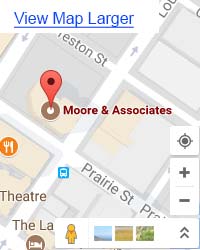
Moore & Associates focuses on employee-side employment law in Texas, and that kind of focused experience matters when your job, income, and reputation are on the line.
What compensation may be available
Every case is different, and outcomes depend on the facts, the law, and the proof. But a wrongful termination claim may include lost wages, lost benefits, emotional distress damages in some cases, attorney’s fees, and other relief allowed by law. In some matters, reinstatement may be possible, though many workers understandably prefer compensation and a clean break instead of returning to a hostile workplace.
The value of a case depends on more than how unfair the firing felt. It depends on why you were fired, what evidence exists, how much income you lost, whether you tried to reduce your losses by seeking other work, and what legal claims can be proven.
That is also why online assumptions can be misleading. Two people may both say they were “wrongfully fired,” but one may have a legal claim and the other may not. The details decide the case.
When to call a wrongful termination lawyer Texas workers can trust
If you suspect your firing was tied to discrimination, retaliation, wage complaints, protected leave, harassment reports, or another protected act, do not wait for the employer’s story to harden. Early legal advice can help preserve evidence, protect your rights, and keep you from signing away leverage.
You do not need to show up with a perfect case file. Many workers only know that something felt off, the reason changed, or the termination came right after they spoke up. That is enough to ask questions. A good lawyer’s job is to evaluate the facts, spot the legal issues, and tell you where you stand.
If your employer crossed the line, you deserve more than excuses and corporate spin. You deserve clear answers, a serious legal strategy, and a law firm willing to fight back before the trail goes cold.