Most workers do not call labor lawyers because something small happened. They call when the paycheck is short again, when overtime vanished, when harassment keeps getting ignored, or when they were fired right after speaking up. If that sounds familiar, you are not overreacting. A workplace violation can cost you money, stability, and peace of mind fast.
For many Texas employees, the hardest part is not knowing whether what happened is actually illegal. Employers count on that confusion. They may say you are salaried so you do not get overtime, claim tips belong to the house, pressure you to work off the clock, or punish you after reporting discrimination or unpaid wages. None of that becomes acceptable just because a manager says it is company policy.
What labor lawyers actually do
Labor lawyers for employees step in when an employer has more power, more documents, and more confidence than the worker standing alone. Their job is to investigate what happened, explain your rights in plain language, gather evidence, calculate damages, and push for accountability.
In real life, that often means reviewing pay records, schedules, time entries, text messages, handbooks, termination paperwork, and complaints made to HR or management. It can also mean identifying whether the case belongs in court, arbitration, or before an agency. Good legal representation is not just about filing paperwork. It is about building pressure the employer cannot brush aside.
That matters because workplace cases are rarely as simple as one bad act on one bad day. Wage theft can happen slowly over months or years. Retaliation may be hidden behind a sudden write-up or a suspicious termination. Discrimination is often denied outright. A strong case depends on facts, timing, and strategy.
When Texas employees should call labor lawyers
You do not need to wait until the situation becomes unbearable. In many cases, waiting can make things harder. Records disappear. Memories fade. Deadlines pass. The earlier you get legal advice, the better your chances of protecting your claim.
A call makes sense if you are dealing with unpaid wages, unpaid overtime, minimum wage violations, illegal tip practices, retaliation, discrimination, sexual harassment, wrongful termination, leave violations, or severance concerns. It also makes sense if your employer is suddenly treating you differently after you complained about pay or workplace misconduct.
Some workers hesitate because they are still employed and do not want to stir things up. That concern is real. But staying quiet does not guarantee safety. In many situations, the law protects employees from retaliation for asserting workplace rights. The details matter, though, and timing matters even more.
Wage and overtime claims are some of the most common
One of the biggest reasons workers contact labor lawyers is simple: they worked, but they were not paid correctly. That can happen in obvious ways, like a missing paycheck, or in less obvious ways, like automatic lunch deductions, off-the-clock work, or being misclassified as exempt from overtime.
Texas employers often label workers as salaried, independent contractors, managers, or crew leads and act as if that label ends the discussion. It does not. Job titles do not decide whether overtime is owed. Pay structure alone does not decide it either. What matters is the actual work performed and how the law applies to that role.
This issue comes up often in restaurants, retail, healthcare, construction, delivery work, and oilfield jobs. A worker may be told to clock out and keep working, answer calls after hours, finish paperwork at home, or arrive early without pay. Over time, those unpaid hours add up to serious money.
Tip violations are another major problem. Employers cannot lawfully manipulate tip pools however they want. Managers and owners generally cannot dip into employee tips just because they control the operation. When tips are taken or redistributed unlawfully, workers may have claims for significant wage recovery.
Oilfield and hourly workers face unique risks
Some industries are built around long shifts, inconsistent schedules, and pressure to keep quiet. Oilfield workers know that better than most. Twelve-hour days, week-on and week-off schedules, day rates, and travel demands can create major overtime disputes. Employers may treat those arrangements as normal, but normal does not always mean legal.
Hourly workers across Texas face similar problems, especially when the employer assumes no one will challenge the payroll system. If your time is shaved, your breaks are deducted whether you took them or not, or your overtime rate is calculated incorrectly, that is not a harmless bookkeeping issue. It may be wage theft.
This is where experience matters. Employment law is technical, and employers know how to frame pay practices to protect themselves. Workers need someone ready to challenge those explanations with the facts and the law.
Retaliation is often the turning point
Many cases get worse the moment the employee speaks up. You report unpaid overtime, and suddenly your schedule changes. You complain about harassment, and now you are written up. You request protected leave, and your manager starts building a paper trail against you. That pattern is common, and it is exactly why retaliation claims matter.
Retaliation can take many forms. Termination is the obvious one, but it can also include demotion, reduced hours, loss of good shifts, hostile treatment, threats, discipline, or being pushed to quit. Employers rarely admit the real reason. They usually point to performance, attitude, attendance, or restructuring.
That does not mean the employer wins. If the timing is suspicious, the explanation keeps changing, or the records do not support the company story, a retaliation claim may be stronger than the employer expects.
Wrongful termination is not always what people think
Texas is an at-will employment state, which means employers often can terminate workers for many reasons or no stated reason at all. But they cannot fire someone for an illegal reason. That distinction matters.
A termination may be unlawful if it happened because of discrimination, retaliation, protected leave, whistleblowing, or refusal to participate in illegal conduct. The fact that the employer says you were let go for “policy violations” or that you were replaced quickly does not settle the issue.
This is why workers should avoid guessing based on what friends, coworkers, or social media say. Wrongful termination claims are highly fact-specific. The employer’s paperwork matters. Your complaints matter. The timeline matters. A legal review can often spot problems the employee did not know were important.
What to do before and after contacting a lawyer
If you think your rights were violated, start preserving evidence now. Save pay stubs, schedules, emails, texts, disciplinary notices, complaint records, offer letters, handbooks, severance documents, and anything else tied to your job and pay. If the employer uses an app for timekeeping or messaging, keep screenshots where lawful and available.
Write down what happened while it is fresh. Include dates, names, witnesses, and what was said. Small details can become powerful later, especially in wage, retaliation, and harassment cases.
When you speak with a lawyer, be direct. Explain your job, how you were paid, what happened, when it happened, and whether you are still employed. If you have documents, say that up front. A strong consultation is not about using legal terms. It is about giving a clear timeline and honest facts.
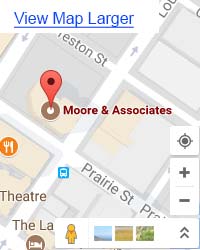
At Moore & Associates, the focus is on employees who need serious representation against employers who crossed the line. That matters when your livelihood is on the line and you cannot afford wasted time.
What a labor lawyer can recover
Every case is different, and no honest lawyer should promise a result without reviewing the facts. Still, many claims involve recovery for unpaid wages, overtime, liquidated damages, lost pay, emotional distress in some cases, reinstatement in limited situations, attorney’s fees, and other relief allowed by law.
The value of a case depends on more than how unfair the conduct felt. It depends on records, legal claims, timing, the amount of lost wages, and whether the employer’s conduct was willful. A good case is built on evidence, not outrage alone.
That said, workers should not assume a claim is too small to matter. A pattern of unpaid hours over time can add up fast. So can a retaliatory firing that leaves someone without income while bills keep coming.
Why timing matters more than most workers realize
Employment claims have deadlines, and some are short. Waiting because you hope the company will fix it internally can be risky. HR is not there to act as your personal lawyer. Sometimes internal complaints help create a record. Sometimes they give the employer time to prepare a defense. It depends on the facts.
The smartest move is to get a case evaluation as early as possible, especially if you were fired, forced out, denied overtime, or punished after reporting misconduct. Early action can protect evidence, preserve claims, and give you a clearer path forward.
If your employer kept your wages, stole your overtime, ignored harassment, or punished you for speaking up, do not treat it like a misunderstanding that will sort itself out. The law gives workers tools, but those tools only work when you use them. The right legal help can turn a one-sided fight into a serious claim your employer has to answer.