Most employees wait too long to get legal help. They hope payroll fixes the missing overtime. They hope HR takes harassment seriously. They hope a sudden firing will somehow make sense later. Too often, it does not. Employment lawyers step in when an employer has crossed the line and a worker needs someone who knows how to fight back.
If you are dealing with unpaid wages, retaliation, discrimination, sexual harassment, leave violations, or a severance agreement that does not feel right, this is not the time to guess. Texas workers are often up against companies with HR departments, managers, and defense lawyers already protecting the business. You deserve someone protecting you.
What employment lawyers actually do
Employment law is not one broad problem. It is a collection of very specific workplace disputes, and the details matter. A missed meal break is different from unpaid overtime. A rude boss is different from unlawful harassment. A layoff is different from retaliation after reporting misconduct.
Employment lawyers for employees investigate what happened, identify which laws may apply, gather records, calculate damages, deal with the employer or its attorneys, and if necessary file claims or lawsuits. That may involve wage and hour laws, anti-discrimination laws, leave protections, whistleblower protections, or contract-related issues tied to severance and compensation.
Good legal representation is not just about filing paperwork. It is about pressure. Employers often act differently when they know a worker has serious counsel behind them. They may preserve fewer excuses, take settlement talks more seriously, and stop trying to intimidate the employee into walking away.
The biggest signs you should call employment lawyers
A lot of workers think they need a “perfect case” before calling a lawyer. They do not. What they need is a real problem and enough facts to start evaluating it.
One of the clearest warning signs is pay that does not match the hours worked. If you are working more than 40 hours and not getting overtime, being forced to work off the clock, losing tips through an illegal tip pool, or getting shorted on wages you already earned, that is not a payroll inconvenience. It may be wage theft.
Another major sign is punishment after speaking up. If you complained about harassment, discrimination, unpaid wages, safety issues, or illegal conduct and then got demoted, written up, scheduled less, or fired, retaliation may be involved. Employers do not get a free pass simply because they attach a different label to the decision.
Discrimination is another reason to act quickly. If you were treated unfairly because of race, sex, pregnancy, disability, age, religion, national origin, or another protected characteristic, legal deadlines may apply sooner than you expect. The same goes for sexual harassment, especially when the employer ignored complaints or allowed the behavior to continue.
Leave issues also create serious legal problems. If you were denied protected leave, punished for taking it, or fired while dealing with a medical condition, pregnancy, or family care issue, you should not assume the employer is right just because it sounded confident.
And then there is severance. Not every severance agreement is fair. Some are designed to buy your silence cheaply and fast. If you are being asked to sign away claims, confidentiality rights, or future options, have a lawyer review it before you sign.
Wage and overtime claims are more common than people think
In Texas, wage violations hit hourly workers especially hard, but they also affect salaried employees who were misclassified and denied overtime. Employers sometimes call someone a manager, pay a day rate, or put them on salary and act like that ends the conversation. It does not.
The law looks at the actual job duties and pay practices, not just the title on a badge or pay stub. That matters in restaurants, construction, healthcare, retail, warehouses, and especially in oilfield work, where long hours and pay disputes are common.
Oilfield overtime cases often involve complicated schedules, day rates, and classification issues. Workers may put in extreme hours and still not receive the overtime they are owed. These cases can involve large wage losses over time, which is exactly why companies fight them hard.
Tip violations are another problem that workers often miss. If management is taking tips, forcing improper tip sharing, or using tip credits incorrectly, those practices may violate wage laws. Small deductions and payroll tricks can add up fast.
Why timing matters in employment cases
Waiting can hurt your case. Documents disappear. Text messages get deleted. Witnesses move on. Employers shape the story early, and if you do nothing, their version may become the only version on record.
There is also the issue of legal deadlines. Different claims have different filing windows, and some require action before a lawsuit can even be filed. If you wait too long, even a strong case can become harder or impossible to pursue.
That does not mean every workplace problem automatically becomes a winning lawsuit. Some cases have gray areas. Some depend on documents you do not have yet. Some require a close look at whether the employer’s stated reason is real or just cover. But the sooner an employment lawyer reviews the facts, the better your chances of protecting the evidence and your rights.
What to gather before you make the call
You do not need a full legal file to speak with a lawyer, but a few basic records can make the consultation stronger. Pay stubs, time records, schedules, offer letters, handbooks, disciplinary write-ups, emails, texts, and any complaint you made to HR or management can all matter.
Write down a timeline while the details are fresh. Include dates, names, what was said, who witnessed it, and what happened afterward. If your hours changed right after you reported something, or if a supervisor made discriminatory comments before firing you, those details matter.
Be careful, though. Do not break company policy or the law to collect information. Do not take privileged documents, client records, trade secrets, or private files you have no right to keep. A lawyer can tell you what is useful and what is risky.
What happens after you contact employment lawyers
A strong plaintiff-side employment firm will usually start with a case evaluation. The goal is to understand the facts, identify the possible claims, and decide the smartest next step. Sometimes that means immediate legal action. Sometimes it means sending a demand, reviewing a severance agreement, calculating unpaid wages, or preparing for an agency charge.
The right strategy depends on the claim. Wage cases often turn on hours, classification, and pay records. Discrimination and retaliation cases often hinge on timing, comparators, complaints, and whether the employer’s explanation holds up. Harassment claims may depend on how severe the conduct was, whether it was reported, and what the employer did in response.
This is also where experience matters. Employers rarely admit wrongdoing up front. They deny, delay, minimize, and blame the worker. A lawyer who focuses on employee-side employment law knows those tactics and knows how to push through them.
Choosing the right employment lawyers in Texas
Not every lawyer who handles business disputes should handle your employment case. You want a firm that focuses on labor and employment matters for employees, not one that treats workplace cases as a side practice.
That focus matters because employment law is technical, deadline-driven, and fact-intensive. A lawyer who regularly handles unpaid overtime, tip pool violations, retaliation, discrimination, sexual harassment, wrongful termination, leave disputes, and severance negotiations will spot issues that a general practitioner may miss.
You should also pay attention to who the firm represents. Some firms represent employers. Some switch sides. If you are an employee going up against a company, there is real value in having counsel whose work is built around fighting for workers.
For many people, cost is the first fear. That is why contingency representation matters. If a firm offers a no recovery, no fee approach on qualifying cases, it gives workers a real chance to pursue justice without having to bankroll a legal fight against an employer.
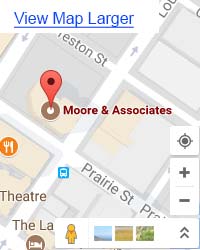
Moore & Associates is built around that employee-first model, with a practice focused on workplace rights and wage recovery claims across Texas.
You do not have to wait for things to get worse
A lot of employees call only after the damage is done – after the firing, after the lost wages pile up, after the retaliation becomes impossible to ignore. But early action can make a major difference. It can protect evidence, shape the record, and keep an employer from controlling the narrative.
If something at work feels wrong, do not assume you are overreacting. If your pay is short, if your complaints were ignored, if you were targeted after speaking up, or if you are being pressured to sign away rights, trust that instinct and get answers. The right legal help does more than explain the law. It gives you a way to fight back.